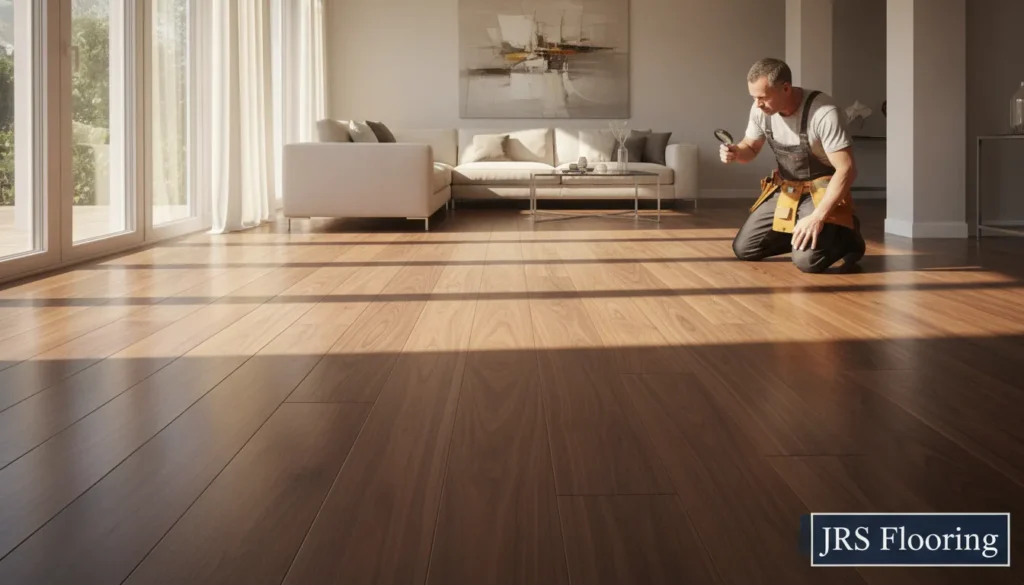

Are you dreaming of elegant hardwood floors that elevate the look and feel of your home? Finding the right installer is key to turning that dream into a reality. The process can seem daunting; however, with the right approach, you can ensure a seamless and satisfying experience. Searching for “Hardwood Flooring Instalation near me” is the first step in connecting with local professionals who can transform your space. This guide provides essential insights into finding the best hardwood flooring installation services, understanding costs, exploring alternatives, preparing your home, and maintaining your new floors for lasting beauty.
From initial search to final installation, navigating the world of hardwood flooring requires informed decisions. This guide offers a comprehensive overview of everything you need to know. We’ll walk you through evaluating installers, understanding pricing factors, and choosing the right materials. You’ll also learn how to prepare your home for installation and maintain your new floors. Our goal is to equip you with the knowledge to confidently select the perfect flooring solution for your needs.
By following our expert advice, you’ll be well-prepared to enhance your home with stunning hardwood floors. Whether you’re renovating a single room or upgrading your entire house, this guide will help you navigate each step with confidence. We aim to make the process straightforward and stress-free, ensuring you achieve the beautiful, durable floors you’ve always wanted. Let’s dive in and discover how to make your hardwood flooring dreams a reality.
Summary
-
Finding the Best Hardwood Flooring Installation near Me: A Comprehensive Guide
-
Understanding the Costs: Factors Influencing Hardwood Flooring Installation Prices
-
Hardwood vs. Alternatives: Choosing the Right Flooring Material for Your Needs
-
Preparing Your Home: What to Expect During the Installation Process
-
Maintaining Your New Hardwood Floors: Tips for Longevity and Beauty
Finding the Best Hardwood Flooring Installation near Me: A Comprehensive Guide
Embarking on a hardwood flooring project requires careful planning and, most importantly, the right installer. Sourcing a reliable professional ensures not only a beautiful finish but also the longevity of your investment. Start by leveraging online search engines to identify potential candidates in your vicinity. JRS Flooring Blog recommends refining your search with specific details such as flooring type (e.g., oak, maple, or engineered) and project scope (e.g., whole house, single room). This focused approach yields more relevant results.
Once you have a list of potential installers, conduct thorough due diligence. Begin by checking online reviews on platforms like Yelp, Google Reviews, and the Better Business Bureau. Pay close attention to patterns in customer feedback, noting both positive and negative experiences. Look for mentions of professionalism, punctuality, quality of workmanship, and responsiveness to concerns. A consistent track record of satisfied customers is a strong indicator of reliability. In addition, scrutinize their websites for detailed information on their services, experience, and certifications.
Shortlisting candidates should involve verifying their credentials and insurance coverage. Request proof of licensing and insurance to protect yourself from liability in case of accidents or damages during the project. A reputable installer will readily provide these documents. After verification, schedule consultations with your top choices to discuss your project in detail. Prepare a list of questions regarding their installation process, timelines, material sourcing, and warranty policies. During these meetings, assess their communication skills, attention to detail, and overall professionalism.
Finally, request detailed, written quotes from each installer, outlining the scope of work, materials to be used, and the total cost. Compare these quotes carefully, paying attention to any hidden fees or charges. Don’t automatically opt for the lowest bid, as this may indicate lower quality materials or workmanship. Instead, prioritize value for money, considering both cost and the installer’s qualifications and experience. By following these steps, you can confidently select the best service for your needs, ensuring a beautiful and long-lasting result.
Understanding the Costs: Factors Influencing Hardwood Flooring Installation Prices
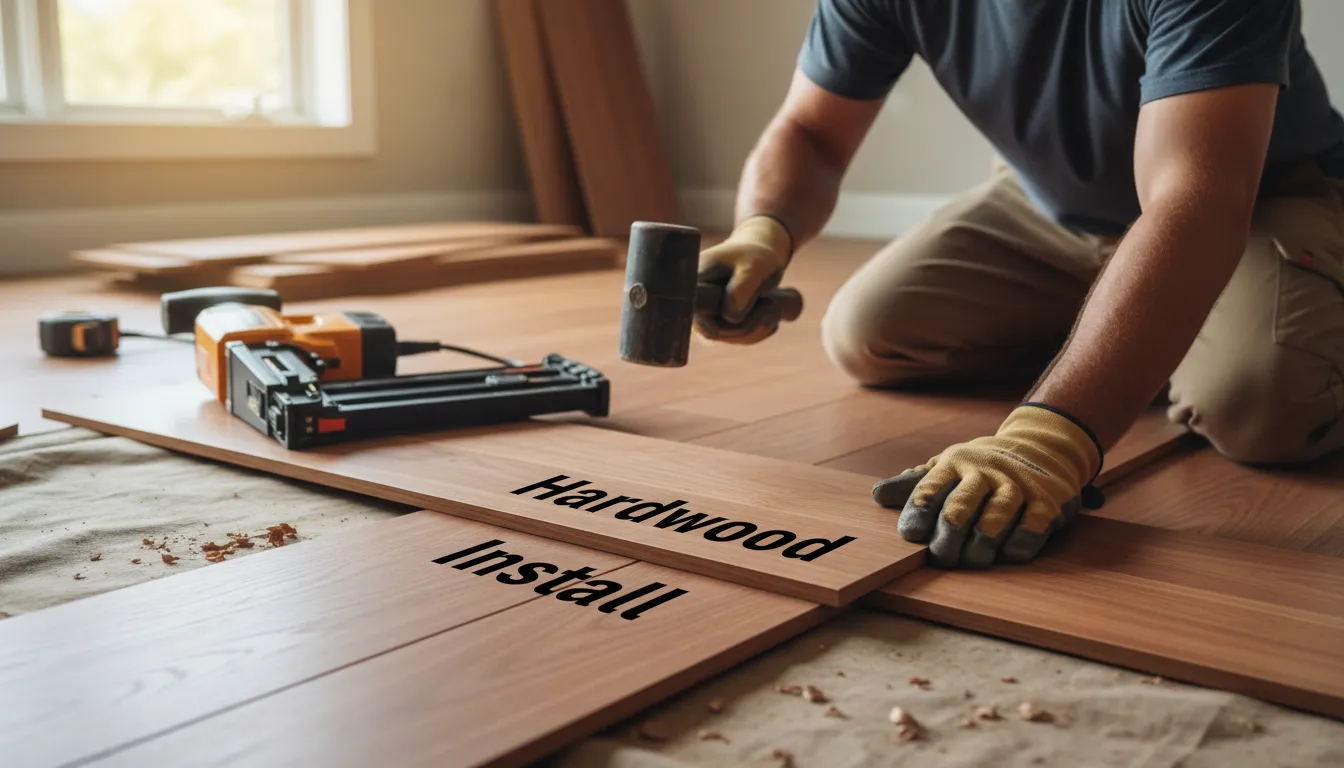
When budgeting for new hardwood floors, understanding the factors influencing installation prices is essential. Several elements contribute to the overall cost, ranging from the type of wood chosen to the complexity of the installation. By understanding these factors, homeowners can better prepare for the investment and avoid unexpected expenses. JRS Flooring Blog aims to provide clarity on these often intricate details.
One of the primary cost drivers is the type of wood. Different hardwood species have varying price points. For example, exotic hardwoods like Brazilian Cherry or Ipe typically cost more than domestic options such as oak or maple. The rarity, durability, and aesthetic appeal of the wood all play a role in determining its price. The finish applied also impacts costs; specialized or eco-friendly finishes can add to the overall expense.
The scope and complexity of the installation significantly influence pricing. A straightforward installation in a square or rectangular room is generally less expensive than a more intricate layout involving patterns, borders, or custom designs. Subfloor preparation is another critical factor. If the existing subfloor is uneven or damaged, additional work may be required to ensure a smooth and stable surface for the new hardwood. This prep work can include leveling, repairing, or even replacing sections of the subfloor, adding to the labor and material costs.
Labor costs also vary based on the installer’s experience and location. Experienced installers may charge more for their expertise, but their skill can ensure a higher quality installation and fewer problems down the road. Geographic location also matters, as labor rates can differ significantly between regions. Other factors impacting the price include:
-
Removal of existing flooring: Disposing of old flooring adds to the labor and disposal fees.
-
Staircases: Installing hardwood on stairs is more complex and time-consuming.
-
Intricate patterns: Herringbone or chevron patterns require precision and skill, increasing labor costs.
-
Moisture testing: Ensuring proper moisture levels in the subfloor and wood is critical to prevent warping.
-
Baseboard and molding installation: Replacing or installing new baseboards and moldings adds to the final cost.
Considering all these elements helps homeowners develop a realistic budget for their hardwood flooring project. Obtaining multiple quotes and understanding the breakdown of costs is crucial for making informed decisions and ensuring a successful installation.
Hardwood vs. Alternatives: Choosing the Right Flooring Material for Your Needs
Selecting the right flooring involves weighing hardwood against its alternatives, each offering distinct advantages. Hardwood flooring, celebrated for its timeless appeal and durability, brings natural warmth and elegance to any space. However, it’s crucial to consider factors like cost, maintenance, and suitability for different environments. Alternatives like laminate, vinyl, and engineered wood present viable options with varying degrees of resilience and aesthetic flexibility. The team at JRS Flooring Blog are experts at helping you weigh your options.
When considering hardwood, understand that its value extends beyond initial beauty. Hardwood floors can increase a home’s resale value, offering a solid return on investment. They are also sustainable, often sourced from responsibly managed forests, and can be refinished multiple times, prolonging their lifespan. However, hardwood is susceptible to scratches, dents, and moisture damage, requiring careful maintenance and making it less ideal for high-humidity areas like bathrooms.
Alternatives like laminate offer a cost-effective solution, mimicking the look of hardwood at a fraction of the price. Laminate is resistant to scratches and stains, making it suitable for high-traffic areas and households with pets. Vinyl flooring, particularly luxury vinyl plank (LVP), provides excellent water resistance, making it ideal for kitchens and bathrooms. Engineered wood, constructed with a hardwood veneer over multiple layers of plywood, offers enhanced stability and moisture resistance compared to solid hardwood, making it suitable for basements and areas with fluctuating humidity levels.
To make an informed decision, consider these key factors:
-
Budget: Hardwood typically has a higher upfront cost than alternatives.
-
Durability: Assess the level of foot traffic and potential for scratches or moisture.
-
Maintenance: Hardwood requires more care than laminate or vinyl.
-
Aesthetics: Determine the desired look and feel for your space.
-
Environment: Consider the room’s humidity levels and potential for water exposure.
Ultimately, the best choice depends on your specific needs and preferences. Consulting with flooring professionals can provide valuable insights and ensure you select the material that perfectly balances aesthetics, practicality, and budget. Don’t hesitate to research solutions to find local experts who can guide you through the selection process.
Preparing Your Home: What to Expect During the Installation Process
Preparing your home for hardwood flooring installation is crucial for a smooth and efficient process. Understanding what to expect can help minimize disruption and ensure the best possible results. Proper preparation also protects your belongings and ensures the installation team has a clear and safe workspace. A well-prepared home contributes significantly to the overall success and longevity of your new floors, as emphasized by JRS Flooring Blog.
Before the installers arrive, there are several key steps you should take:
-
Clear the Room: Remove all furniture, rugs, and décor from the room where the new flooring will be installed. This includes small items like lamps, picture frames, and plants.
-
Remove Existing Flooring: Unless otherwise agreed upon with your installation team, remove any existing flooring such as carpet, tile, or vinyl. Be sure to dispose of the old flooring properly.
-
Clean the Subfloor: Ensure the subfloor is clean, dry, and level. Sweep or vacuum thoroughly to remove dust, debris, and any remnants of the old flooring.
-
Protect Adjacent Areas: Cover doorways and hallways with plastic sheeting to contain dust and prevent it from spreading to other parts of your home.
-
Consider Climate Control: Hardwood flooring needs to acclimate to the room’s temperature and humidity. Maintain a consistent temperature in your home for several days before the installation begins.
During the installation, expect some level of noise and activity. The team will be using tools and equipment that can generate noise, and there will be movement as they work. It’s a good idea to keep pets and children away from the work area for their safety and to allow the installers to work efficiently. The team from JR’S Flooring always aims to minimize disruption and maintain a clean work environment, but some level of disturbance is unavoidable.
After the installation, there may be some residual dust. A thorough cleaning will be necessary to remove this dust and prepare the floors for use. The installers will typically provide guidance on the best cleaning products and methods to maintain the beauty and integrity of your new hardwood floors. Remember to follow these recommendations to ensure the longevity of the flooring and preserve its warranty.
Maintaining Your New Hardwood Floors: Tips for Longevity and Beauty
Once your new hardwood floors are installed, proper maintenance is essential to ensure their longevity and lasting beauty. Protecting your investment involves consistent care and preventative measures to minimize wear and tear. JRS Flooring Blog emphasizes the importance of establishing a routine that addresses both daily cleaning and long-term preservation.
One of the most effective ways to maintain your floors is through regular cleaning. Sweep, dust, or vacuum your hardwood floors regularly to remove dirt, dust, and debris that can scratch the surface. Use a soft-bristled broom or a vacuum cleaner with a floor brush attachment to avoid damaging the finish. For deeper cleaning, use a hardwood floor cleaner recommended by your installer. Avoid using excessive water or harsh chemicals, as these can seep into the wood and cause warping or discoloration. Always follow the manufacturer’s instructions for cleaning products to ensure compatibility with your specific type of flooring.
Protecting your hardwood floors from scratches and dents is also vital. Place mats and rugs at entryways to trap dirt and moisture before they reach your floors. Use felt pads under furniture legs to prevent scratches when moving furniture. Be mindful of high-heel shoes, which can cause dents and indentations. Consider implementing a “no shoes” policy in your home to minimize the amount of dirt and debris tracked onto the floors. Addressing these small issues proactively can make a significant difference in the long-term appearance of your hardwood.
Here are some additional tips to keep your hardwood floors looking their best:
-
Control humidity levels: Maintain a consistent humidity level in your home to prevent the wood from expanding or contracting.
-
Avoid direct sunlight: Use curtains or blinds to shield your floors from prolonged exposure to direct sunlight, which can cause fading.
-
Clean spills immediately: Wipe up spills as soon as they occur to prevent staining and water damage.
-
Refinish as needed: Depending on the wear and tear, consider refinishing your floors every 7-10 years to restore their original luster.
-
Use proper cleaning tools: Always use microfiber mops and cloths to avoid scratching the surface during cleaning.
By following these maintenance tips, you can extend the life of your hardwood floors and maintain their beauty for years to come. Regular care and attention will not only protect your investment but also enhance the overall look and feel of your home. When considering solutions, remember that proper maintenance is just as important as the installation itself.
Conclusion
Investing in hardwood floors is a significant decision that can greatly enhance the beauty and value of your home. By carefully selecting the right installer, understanding the costs involved, and properly maintaining your new floors, you can ensure a long-lasting and satisfying result. Remember to weigh the pros and cons of hardwood against alternative materials to make the best choice for your specific needs and lifestyle.
Throughout this guide, we’ve covered essential aspects of hardwood flooring installation, from finding qualified professionals to preparing your home and maintaining the floors. By following these tips, you can avoid common pitfalls and ensure a smooth, successful project. Regular cleaning, preventative measures, and timely repairs will keep your hardwood floors looking their best for years to come.
When you’re ready to take the next step, consider reaching out to JR’S Flooring. With over 20 years of experience serving the Tri-State area, JR’S Flooring is committed to delivering lasting beauty, precision, and incomparable quality in every installation project. Whether you need high-end hardwood installation, expert refinishing, or modern flooring solutions, their white-glove service ensures a seamless and satisfying experience. Don’t hesitate to search for “Hardwood Flooring Instalation near me” and choose JR’S Flooring for a premium flooring experience that elevates your home’s value and aesthetic appeal. Remember, the right choice in flooring and installation can transform your house into a home you’ll love for years to come.
Frequently Asked Questions
How do I choose the best hardwood flooring installer near me?
Choosing the right installer involves several steps to ensure you get a professional and reliable service. Start by searching online for local installers and checking their online reviews on platforms like Yelp, Google Reviews, and the Better Business Bureau. Look for patterns in customer feedback regarding professionalism, punctuality, and quality of workmanship. Verify their credentials and insurance coverage to protect yourself from liability. Schedule consultations with your top choices to discuss your project in detail, asking about their installation process, timelines, and warranty policies. Finally, request detailed, written quotes from each installer, compare them carefully, and prioritize value for money over the lowest bid.
What factors influence the cost of hardwood flooring installation?
Several factors can influence the cost of hardwood flooring installation. The type of wood you choose is a primary cost driver, with exotic hardwoods typically costing more than domestic options. The scope and complexity of the installation also play a significant role; intricate layouts and custom designs will increase the price. Subfloor preparation is another critical factor, as uneven or damaged subfloors may require additional work. Labor costs vary based on the installer’s experience and geographic location. Other factors include the removal of existing flooring, staircases, intricate patterns, moisture testing, and baseboard and molding installation.
How should I prepare my home for hardwood flooring installation?
Preparing your home involves several key steps to ensure a smooth and efficient installation process. First, clear the room by removing all furniture, rugs, and décor. Remove any existing flooring unless otherwise agreed upon with your installation team. Clean the subfloor to ensure it is clean, dry, and level. Protect adjacent areas by covering doorways and hallways with plastic sheeting to contain dust. Finally, consider climate control by maintaining a consistent temperature in your home for several days before the installation begins to allow the hardwood flooring to acclimate.
What are some tips for maintaining new hardwood floors?
Maintaining new hardwood floors involves consistent care and preventative measures. Regularly sweep, dust, or vacuum your floors to remove dirt and debris. Use a soft-bristled broom or a vacuum cleaner with a floor brush attachment to avoid damaging the finish. For deeper cleaning, use a hardwood floor cleaner recommended by your installer, avoiding excessive water or harsh chemicals. Protect your floors from scratches and dents by placing mats and rugs at entryways and using felt pads under furniture legs. Controlling humidity levels, avoiding direct sunlight, and cleaning spills immediately are also important.
What are some alternatives to hardwood flooring, and when are they appropriate?
Alternatives to hardwood flooring include laminate, vinyl, and engineered wood, each offering distinct advantages. Laminate is a cost-effective solution that mimics the look of hardwood and is resistant to scratches and stains, making it suitable for high-traffic areas. Vinyl flooring, particularly luxury vinyl plank (LVP), provides excellent water resistance, making it ideal for kitchens and bathrooms. Engineered wood offers enhanced stability and moisture resistance compared to solid hardwood, making it suitable for basements and areas with fluctuating humidity levels. The best choice depends on your budget, durability needs, maintenance preferences, aesthetic desires, and the environment of the room.